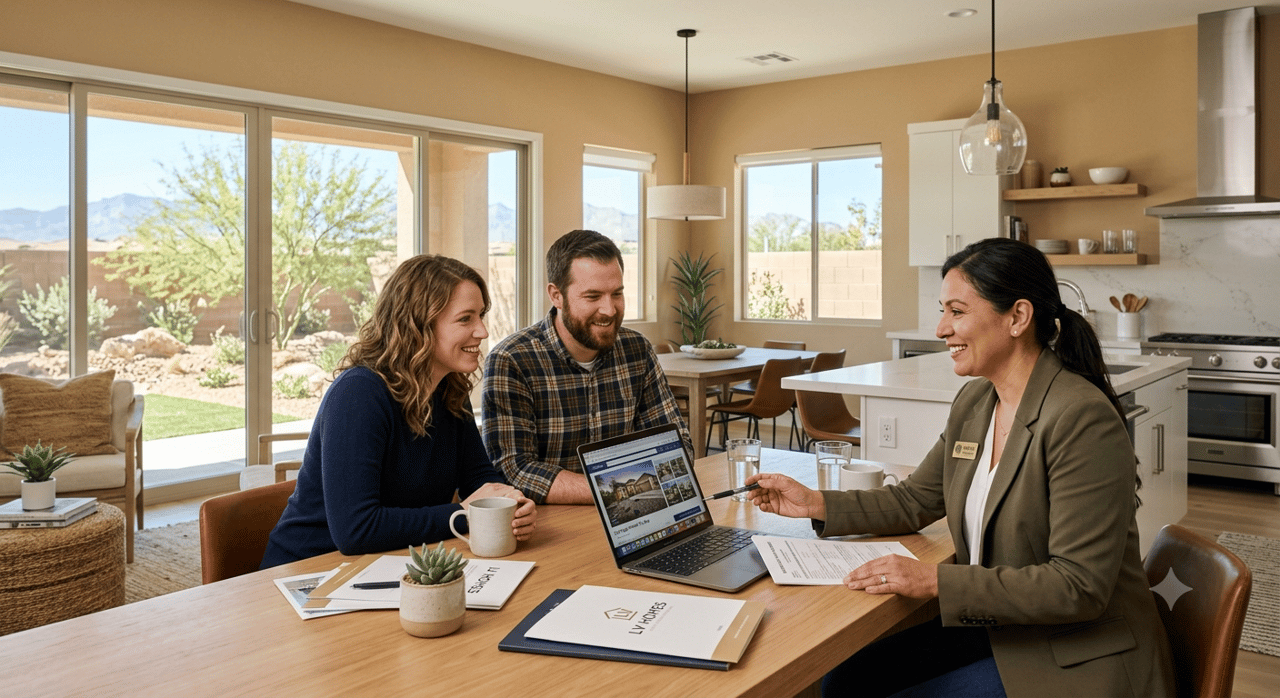
Should You Buy a Home in Las Vegas Now or Wait? Here's How I Help Clients Think Through It
Almost every buyer I work with asks some version of the same question at some point: "Should we buy now, or wait for things to get better?" It's a completely reasonable question, and I never try to brush past it with a generic sales pitch. The honest answer is more nuanced than "now" or "later" — and walking through it properly usually reveals more about a buyer's personal situation than about the market itself.
The Market Timing Myth
A lot of buyers are waiting for a specific combination: lower home prices and lower interest rates, arriving at the same time. Historically, this combination is rare. When interest rates drop, buyer demand typically increases because monthly payments become more affordable, which in turn puts upward pressure on prices as more buyers compete for the same inventory. When prices soften or stay flat, it's often because rates have risen, which cools demand but increases borrowing costs.
In other words, the market rarely gives buyers both advantages simultaneously. Waiting for that exact moment can mean waiting indefinitely, while life circumstances — family needs, job changes, lease expirations — continue moving forward regardless.
This doesn't mean market conditions don't matter. They do. But treating market timing as the single deciding factor often overlooks the bigger picture of what actually makes a purchase "right" for a given buyer.
Interest Rates: Important, But Not the Whole Story
Interest rates absolutely affect monthly payments and overall affordability, and I always make sure clients understand current rate conditions and how they translate into real monthly numbers for the homes they're considering. But rates are also something buyers can often address later through refinancing if conditions improve, whereas the home itself — and whether it fits your life — is much harder to change after the fact.
I encourage buyers to run the numbers at today's rates, understand what they're comfortable with, and avoid making a purchase decision based purely on a hope that rates will drop significantly in the near future. If they do drop, refinancing is generally available. If they don't, you're not stuck waiting on a hypothetical.
Lifestyle Readiness Matters More Than People Expect
Before we even get to specific listings, I walk through a handful of lifestyle questions with every buyer:
How long do you realistically expect to stay in the Las Vegas area? If it's under three years, renting may genuinely make more financial sense given transaction costs on both ends of a purchase. If it's five-plus years, buying typically starts to make more financial sense.
What's your current housing situation actually costing you — not just in dollars, but in flexibility, space, or stability? Sometimes the "cost" of waiting isn't financial; it's the ongoing friction of an outgrown rental or an uncertain lease situation.
Is your income and employment situation stable enough to comfortably commit to a mortgage payment? This matters more than trying to predict where the broader market is headed.
Long-Term Goals Shape the Right Approach
I also ask buyers to think about what they're actually buying for. A starter home with the expectation of moving again in three to five years is a different decision than a long-term home you intend to stay in for a decade or more. The first scenario puts more weight on resale potential and broader market trends; the second puts more weight on whether the home itself genuinely fits your life, since you're less exposed to short-term market fluctuations.
This distinction often changes which neighborhoods, price points, and property types actually make sense for a given buyer, independent of broader market timing questions.
Personal Decision Factors I Walk Through With Clients
Beyond the numbers, I ask buyers to be honest with themselves about a few things: Are you buying because you feel pressured by outside opinions, or because it genuinely makes sense for your life right now? Do you have a clear sense of your monthly budget, including taxes, insurance, and maintenance — not just the mortgage payment itself? And are you mentally prepared for the process, which can take time and occasionally involve setbacks like a deal falling through?
None of these questions have a universally "correct" answer. They're meant to help you arrive at your own answer with clearer eyes.
A Soft, No-Pressure Approach
I've found that the buyers who end up happiest with their decision are the ones who took the time to actually think through these questions, rather than rushing based on fear of missing out, or stalling indefinitely waiting for perfect conditions that may never arrive. My role isn't to push anyone toward a decision — it's to make sure you have accurate information about the market and a clear-eyed view of your own situation, so whatever you decide is genuinely the right call for you.
Frequently Asked Questions
Is now a good time to buy a home in Las Vegas?
It depends heavily on individual circumstances — job stability, how long you plan to stay in the area, and your personal budget matter more than trying to perfectly time the broader market.
Should I wait for interest rates to drop before buying?
Rates can potentially be addressed later through refinancing, whereas finding the right home for your specific needs is harder to time. Many buyers choose not to wait indefinitely for a rate drop that may or may not happen.
How long should I plan to stay in a home before buying makes sense?
Generally, plans to stay five or more years tend to favor buying over renting, given transaction costs on both ends of a home purchase, though this varies by individual situation.
What should I consider before buying my first home in Las Vegas?
Beyond market conditions, consider job stability, total monthly costs (not just the mortgage), how long you plan to stay, and whether you're buying a starter home or a longer-term property.
Every situation is different, and that's okay. If you're weighing your options, I'm always happy to talk it through — no pressure.
The Colonia Team | Sherwyn Colonia, REALTOR® NVRE S.185645 & Ferguz Colonia, REALTOR® NVRE S.199036 | FIV Realty | Las Vegas, NV | (702) 234-5985 | thecoloniateam.com