7 Red Flags to Watch for When Buying a Home in Las Vegas
Sherwyn Colonia | NVRE License #S.185645 Ferguz Colonia | NVRE License #S.199036 FIV Realty | (702) 234-5985 | thecoloniateam.com Serving Summerlin, Henderson, Green Valley Ranch, and the greater Las Vegas Valley
Summary Answer
The seven red flags that matter most in Las Vegas are: foundation cracks wider than a hairline, widening or recurring stucco cracks, water stains or evidence of past flooding, aging cast-iron or Orangeburg sewer lines in pre-1990s homes, Kitec plumbing in homes built 1996-2006, pool systems with hidden leaks or outdated equipment, and outdated or overloaded electrical panels in older neighborhoods. None of these automatically disqualify a home, but each one changes your negotiating position and your realistic repair budget — and several of them are specifically tied to how homes age in the desert, which a buyer moving from a different climate might not think to ask about.
Are Small Cracks in the Foundation or Walls Always a Problem?
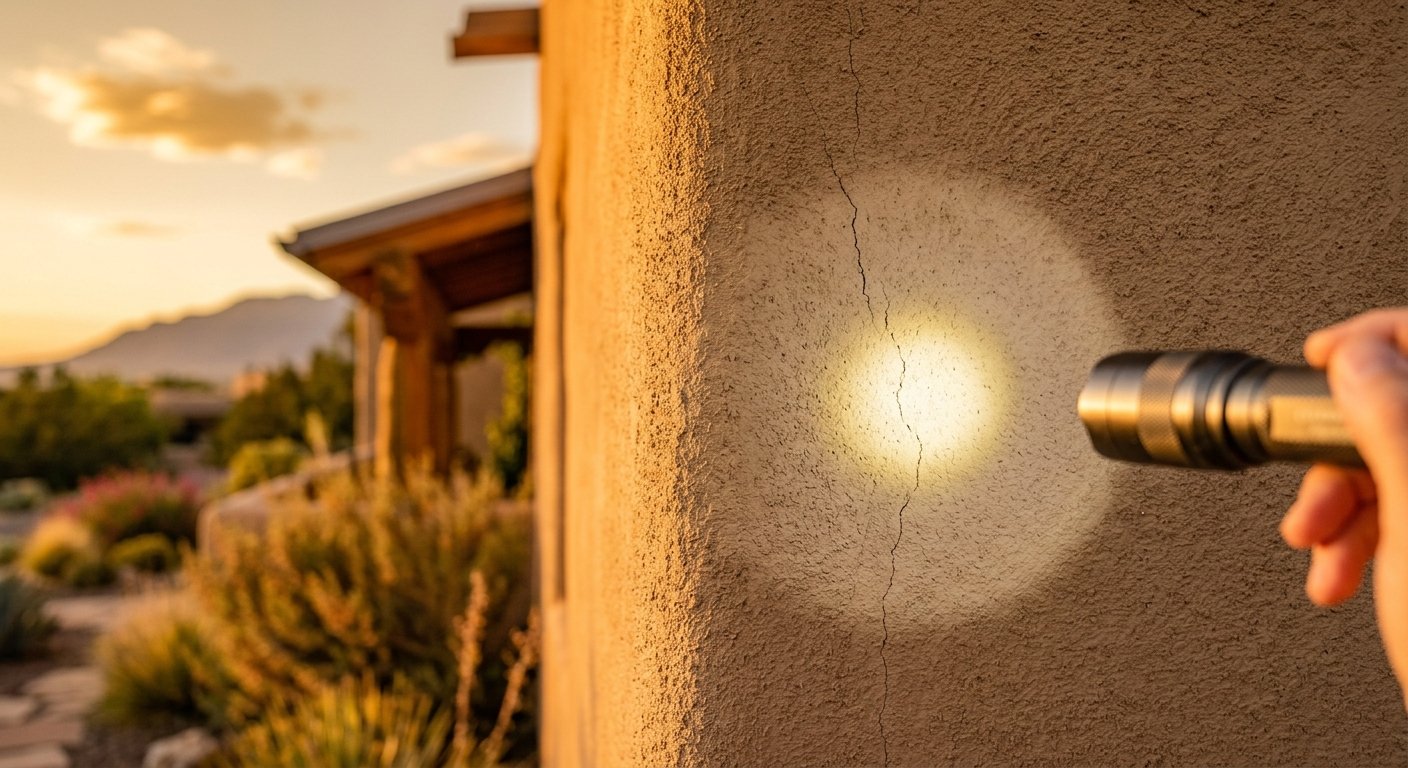
Not necessarily. Vertical, hairline cracks are common in Las Vegas and often cosmetic, a normal result of desert soil shifting slightly over time. What should genuinely concern you: cracks wide enough to fit a coin into, cracks that are actively widening or recurring, uneven or sloping floors, doors and windows that no longer close properly, or visible separation at walls, ceilings, or baseboards. Any of these can indicate real foundation movement rather than cosmetic settling, and generally warrant a structural engineer's second opinion before you move forward.
Why Do Water Stains Matter So Much in a Desert City?
It seems counterintuitive, but water stains and evidence of past flooding are serious red flags precisely because Las Vegas gets so little rain — when heavy monsoon storms do hit, improper grading or clogged drains can send water pooling toward the foundation, and hardpan desert soil doesn't absorb it the way soil does in wetter climates. Past flood damage, even if it's been repaired, must legally be disclosed and can meaningfully affect both your ability to get standard insurance coverage and the home's long-term structural health.
What Is Kitec Plumbing, and Why Should I Ask About It Specifically?
Kitec is a brand of plastic plumbing pipe used in a meaningful number of homes built roughly between 1996 and 2006, including plenty of Las Vegas construction from that era. It's prone to failure over time, and its presence is exactly the kind of thing a generalist inspection checklist might mention only in passing rather than flagging prominently. If you're looking at a home built in that window, ask directly whether Kitec plumbing was used and whether it's been replaced — this is a specific, answerable question, not a vague concern.
Should a Pool Be a Red Flag?
A pool isn't a red flag by itself — it's a $45,000-$200,000+ piece of infrastructure attached to the home, and you're buying its age, condition, and liability along with the house. The mistake buyers commonly make is assuming a standard home inspection covers the pool; it typically doesn't. A general inspector will note the pool exists and flag obvious issues, but a real evaluation of the shell, equipment, and plumbing requires a separate pool inspection, generally $150-$350, plus leak detection (another $200-$500) if there's any sign of moisture near the deck. Older pools frequently run single-speed pumps that no longer meet current energy code — a detail that's easy to miss since the pump still runs fine until it doesn't.
What About Older Electrical Systems?
Outdated electrical systems are common in older Las Vegas neighborhoods, and specific warning signs include an outdated or non-standard panel, flickering lights (which can hint at overloaded circuits or poor connections), ungrounded outlets, or a panel that's clearly undersized for the home's current electrical load. This is a genuinely safety-relevant item, not just a cosmetic or convenience issue, and it's worth a dedicated electrical inspection if the home's age or panel style raises any question.
Red Flags at a Glance
Red Flag | Why It Matters in Las Vegas | What to Do |
|---|---|---|
Foundation cracks over ~1/4 inch | Desert soil shifts; can signal real structural movement | Get a structural engineer review ($450-$750) |
Water stains / past flooding | Monsoon rain + hardpan soil can pool near foundations | Confirm disclosure; check insurance implications |
Pre-1990s sewer lines | Cast iron/Orangeburg pipe degrades after 40-60 years | Get a sewer scope ($250-$400) |
Kitec plumbing (1996-2006 homes) | Known to fail over time; often under-flagged | Ask directly whether it's present and if replaced |
Pool with hidden issues | Standard inspection often doesn't cover the pool | Separate pool inspection ($150-$350) + leak detection if needed |
Outdated electrical panel | Common in older neighborhoods; real safety issue | Dedicated electrical inspection if age/style raises questions |
Recurring/widening stucco cracks | Distinguishes cosmetic settling from real movement | Monitor and compare to engineer's assessment |
Local Context: Why Las Vegas Red Flags Skew Toward Climate and Age
Several of these red flags — foundation movement, sewer line material, Kitec plumbing, pool systems — are directly tied to how homes age under desert conditions and which building materials were standard in specific construction eras. A generalist home inspector trained on a national curriculum may not weight these the same way a locally experienced inspector does, which is part of why asking pointed, specific questions (not just "how did the inspection go?") tends to surface more than a general summary will.
Related Reading
Our guide to what happens during a home inspection covers the full inspection process and cost in more depth, and our post on earnest money in Nevada explains how your inspection contingency protects your deposit if any of these red flags turn up during your due diligence period.
This post reflects general market information as of publication and is not a substitute for a licensed home inspector's or structural engineer's assessment. Specific findings, repair costs, and disclosure requirements vary by property. Speak with Sherwyn or Ferguz Colonia for guidance specific to a property you're considering.
Sherwyn Colonia, NVRE License #S.185645 | Ferguz Colonia, NVRE License #S.199036 FIV Realty | (702) 234-5985 | thecoloniateam.com This is not intended to solicit properties currently listed for sale. Equal Housing Opportunity. All information deemed reliable but not guaranteed. We are committed to compliance with the Fair Housing Act and the Nevada Real Estate Division's licensing and advertising regulations. Sherwyn and Ferguz Colonia help buyers evaluate desert-specific red flags across Summerlin, Henderson, Green Valley Ranch, and the greater Las Vegas Valley, with direct experience negotiating repair credits when issues surface during inspection.